
.svg)
Kart Setup 101: Understanding Caster, Camber, and Toe
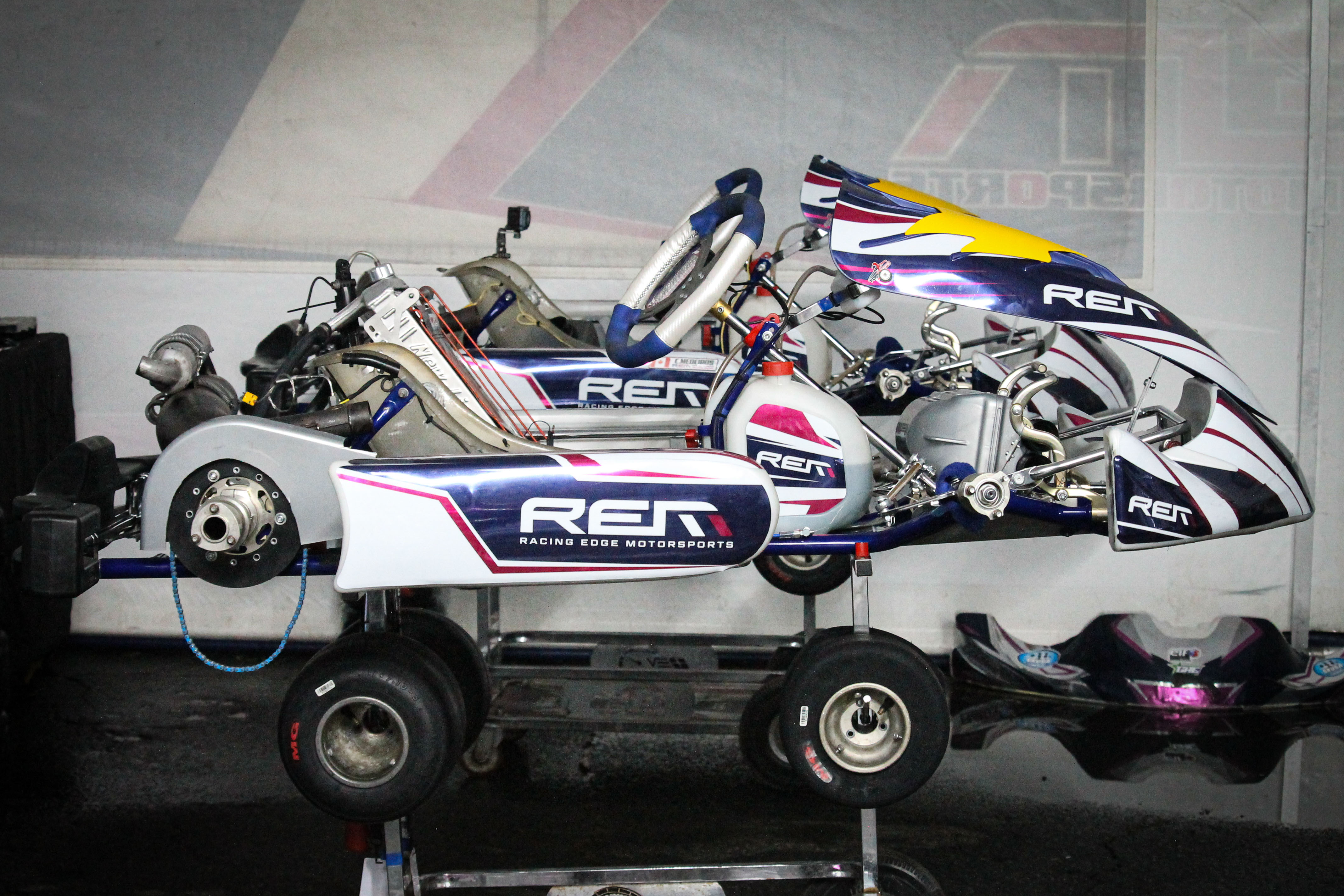
Kart Setup 101: Understanding Caster, Camber, and Toe
Kart setup can feel intimidating at first. Terms like caster, camber, and toe get thrown around the paddock, and it’s easy to feel like you’re missing some secret language. The truth? These three adjustments are the foundation of kart handling.
Whether you’re a new driver, a parent helping a junior racer, or someone ready to move beyond “seat-of-the-pants” tuning, this guide breaks down kart setup clearly, practically, and without overcomplication.
Why Kart Setup Matters
Unlike cars, racing karts have no suspension. That means geometry is everything. Small changes in caster, camber, or toe can dramatically affect:
- Front-end grip
- Steering feel
- Tire wear
- Corner entry and exit speed
- Driver confidence
Mastering the basics of setup doesn’t just make the kart faster—it makes it easier to drive consistently.
What Is Caster?
Definition
Caster refers to the angle of the kingpin when viewed from the side of the kart.
What Caster Affects
Caster primarily influences:
- Steering weight
- Front-end bite
- How aggressively the kart lifts the inside rear tire
Increasing Caster
Adding caster:
- Increases steering effort
- Improves front grip on corner entry
- Helps the kart rotate in tight corners
Best for: Low-grip conditions, tight tracks, or when the kart feels lazy on turn-in.
Decreasing Caster
Reducing caster:
- Lightens steering
- Smooths out the kart
- Reduces inside rear lift
Best for: High-grip tracks, long corners, or when the kart feels too aggressive.
Beginner Tip: If the kart pushes (understeers) on entry, caster is often your first adjustment.
What Is Camber?
Definition
Camber is the tilt of the front tires when viewed from the front of the kart.
- Negative camber: Top of tire leans inward
- Positive camber: Top of tire leans outward
What Camber Affects
Camber directly impacts:
- Tire contact patch
- Mid-corner grip
- Tire temperature and wear
Negative Camber (Most Common)
Negative camber:
- Improves grip during cornering
- Helps the tire stay flat under load
Too much camber, however, can:
- Reduce braking stability
- Increase tire wear
Neutral / Minimal Camber
Less camber:
- Improves straight-line stability
- Reduces tire wear
Beginner Tip: Camber is a fine-tuning tool—small changes make a big difference.
What Is Toe?
Definition
Toe describes whether the front tires point:
- Toe-out: Tires point away from each other
- Toe-in: Tires point toward each other
What Toe Affects
Toe mainly controls:
- Initial turn-in response
- Straight-line stability
- Tire scrub
Toe-Out (Most Common)
Toe-out:
- Improves turn-in
- Makes the kart feel more responsive
Too much toe-out:
- Scrubs speed on straights
- Accelerates tire wear
Toe-In (Rarely Used)
Toe-in:
- Increases straight-line stability
- Reduces responsiveness
Beginner Tip: Start with a small amount of toe-out and adjust in tiny increments.
How Caster, Camber, and Toe Work Together
These adjustments don’t work in isolation. Changing one often affects how the others feel.
For example:
- Adding caster may require reducing toe-out
- Increasing camber might demand smoother steering input
Always make one change at a time, and take notes after each session.
Common Beginner Setup Mistakes
- Making multiple changes at once
- Copying another driver’s setup without context
- Over-adjusting instead of fine-tuning
- Ignoring tire condition and track grip
Kart setup is about balance, not extremes.
Caster, camber, and toe form the backbone of kart setup. Once you understand what each adjustment does, the kart stops feeling mysterious—and starts feeling like a tool you can control.
The fastest drivers aren’t always the ones with the wildest setups. They’re the ones who understand why their kart behaves the way it does.
Master the basics, and lap time will follow.
Looking for more karting tech guides and beginner-friendly racing content? Follow along for more insights designed to make you faster, smarter, and more confident on track.